

Many clients ask for a “cinematic video,” but what does that actually mean? Cinematic quality is not defined by expensive cameras alone. It is created through a combination of technical choices and creative decisions.
Lighting plays a critical role. Cinematic visuals rely on controlled lighting that shapes the subject and creates depth. Natural light can work beautifully, but intentional lighting design is what separates amateur footage from professional imagery.
Camera movement is another essential factor. Smooth, deliberate motion — whether through gimbals, sliders, or handheld techniques — adds polish and emotional impact. Random or unstable movement quickly reduces perceived quality.
Composition and framing matter equally. Cinematic videos guide the viewer’s eye using intentional shot design, depth, and perspective. Every frame should feel purposeful rather than accidental.
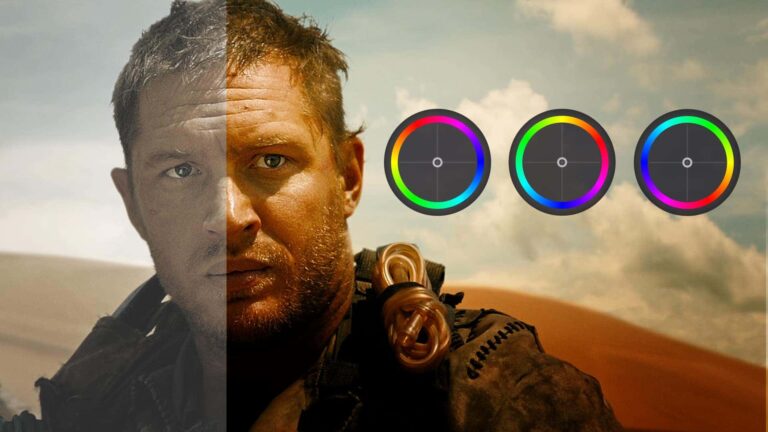
Color grading is often the final transformation. Proper color work enhances mood, consistency, and visual identity. It is one of the biggest contributors to the “film look” that audiences associate with high-end productions.
Ultimately, cinematic video is not a single feature — it is the result of thoughtful production from pre-planning to post-production.